
Businesses involved in precious metal recovery often encounter two important processes that play a major role in determining material value: assaying and refining. While these terms are frequently used together, they serve very different purposes within the recycling and recovery industry. Understanding these processes is essential for recyclers, automotive suppliers, industrial facilities, and organizations handling precious metal-bearing materials. Whether working with catalytic converters, industrial, or manufacturing scrap, knowing how assaying and refining function can help businesses make more informed decisions and maximize returns.
Many people assume that assaying and refining are interchangeable, but each process has a unique objective. One focuses on identifying and measuring valuable metals, while the other focuses on recovering those metals for future use. In this article, we’ll explore how each process works, why both are important, and how they contribute to the overall precious metals recovery cycle. Businesses entering the precious metals industry often ask, What Is The Difference Between Assaying And Refining, especially when evaluating recovery and recycling opportunities.
Understanding the Purpose of Assaying
Assaying is the scientific process of analyzing a material to determine its metal content. Before any recovery or refining takes place, businesses need accurate information about what materials contain and how much value they may hold. The purpose of assaying is to identify the concentration of precious metals such as platinum, palladium, and rhodium. This information allows buyers, recyclers, and material owners to make informed decisions regarding pricing, processing, and recovery potential.
Without proper testing, determining the true value of a material can be extremely difficult. Different materials may appear similar on the surface while containing significantly different metal concentrations. Accurate analysis eliminates guesswork and creates transparency throughout the transaction process.
Many organizations rely on a Catalytic Converter Assay Service TX USA to gain a clear understanding of the metal content found within catalytic converters and other recyclable materials. By obtaining reliable data before moving forward, businesses can make more confident financial and operational decisions.

Assaying serves as the foundation of precious metals recovery because every subsequent step depends on accurate information gathered during the testing phase.
Talk to Our Experts
How Assaying Works
The assaying process involves collecting representative samples and analyzing that using specialized testing methods. The goal is to determine exactly which metals are present and in what quantities. Once testing is complete, a report is generated outlining the composition of the material. This report helps establish potential value and provides important information that may influence purchasing, refining, and recovery strategies.
A professional Precious Metal Assaying Service provides businesses with reliable data that supports transparency and accountability throughout the recycling process. These services help reduce uncertainty while ensuring material owners understand the true worth of their assets.
Accurate testing is particularly important when dealing with platinum group metals because even small variations in metal concentration can significantly impact overall value. By identifying valuable metals before processing begins, businesses can better evaluate opportunities and develop more effective recovery plans.
What Is The Difference Between Assaying And Refining in Precious Metal Recovery?
While assaying focuses on analysis and measurement, refining focuses on recovery. Refining is the process of separating and extracting valuable metals from raw materials so they can be reused in manufacturing and industrial applications. The goal is to convert metal-bearing materials into purified forms that meet industry standards. After assaying determines what metals are present, refining begins the work of recovering those metals through a series of carefully controlled procedures. These processes help isolate platinum, palladium, rhodium, and other valuable elements from surrounding materials.
Unlike testing, which generates information, refining produces tangible results through metal recovery. This stage of the process plays a critical role in supporting sustainability and resource conservation efforts. Recovered metals can be reintroduced into manufacturing supply chains, reducing the need for newly mined resources and helping create a more circular economy.
How Refining Supports Metal Recovery
The refining process requires expertise, specialized equipment, and strict quality controls to maximize recovery rates. Materials containing precious metals are processed through various stages designed to separate valuable elements from impurities. The exact methods used may vary depending on material type and composition, but the objective remains the same: recover as much valuable metal as possible while maintaining accuracy and efficiency.
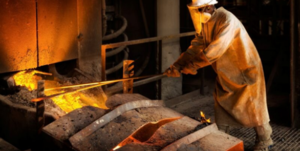
Many businesses choose Toll Refining PGMs because it allows them to retain ownership of their materials while benefiting from professional recovery services. This approach provides greater transparency and control throughout the recovery process. Refining helps transform materials that might otherwise be discarded into valuable resources capable of supporting future industrial and manufacturing needs.
By recovering precious metals efficiently, businesses can improve profitability while contributing to responsible resource management practices.
Schedule a Free Refining Consultation
Key Differences Between Assaying and Refining
Although these processes often work together, they serve distinct purposes. Assaying focuses on identifying and measuring metal content.
It answers questions such as:
- What metals are present?
- How much metal is contained within the material?
- What is the estimated value based on current market conditions?
Refining focuses on recovering those metals after analysis has been completed.
It answers questions such as:
- How can the metals be extracted?
- What quantity of metal can be recovered?
- What is the final recovered value?
In simple terms, assaying provides information while refining produces results. One process creates the data needed to make informed decisions, while the other transforms that information into tangible economic value through recovery.
Choosing the Right Recovery Partner
The success of both assaying and refining depends heavily on the expertise of the service provider. Businesses should seek partners that prioritize transparency, accuracy, and customer support throughout every stage of the recovery process. An experienced provider can help ensure materials are tested properly, processed efficiently, and valued fairly according to current market conditions. Working with a knowledgeable team also reduces uncertainty and helps create stronger long-term recovery strategies that support operational goals.

These innovations create better outcomes for material owners by improving transparency, accuracy, and overall recovery performance. As technology continues to evolve, businesses can expect even greater opportunities to recover value from precious metal-bearing materials while supporting sustainable recycling initiatives.
Final Thoughts
Understanding What Is The Difference Between Assaying And Refining helps businesses make better decisions regarding testing, recovery, and precious metal recycling programs. While assaying focuses on analyzing and identifying metal content, refining focuses on extracting and recovering those valuable metals for future use. Companies looking for reliable testing, recovery expertise, and transparent service can benefit from working with Top Gun Platinum Group Metals, a trusted industry partner committed to helping businesses maximize value from precious metal-bearing materials.