
Catalytic converters play a critical role in modern vehicles by helping reduce harmful emissions before they enter the atmosphere. While most people recognize catalytic converters as an essential part of a vehicle’s exhaust system, many are unaware of the valuable materials hidden inside them. These components contain precious metals that make them highly sought after in the recycling industry and contribute significantly to their overall value.
Understanding What Metals Are Inside A Catalytic Converter can help vehicle owners, recyclers, salvage yards, and automotive professionals better appreciate why catalytic converters remain one of the most valuable recyclable automotive components. The precious metals found within these devices are responsible for the chemical reactions that reduce pollutants and improve air quality. As environmental regulations continue to evolve and demand for precious metals remains strong, catalytic converter recycling has become an increasingly important part of the automotive and recycling industries.
The Growing Demand for Platinum Group Metals
The metals recovered from catalytic converters belong to a category known as platinum group metals (PGMs). These materials remain in high demand because they are used across numerous industries beyond automotive manufacturing.
Applications include:
- Electronics production
- Chemical processing
- Medical equipment
- Aerospace technologies
- Renewable energy systems
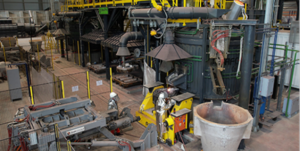
Because demand remains strong while natural supplies are limited, recycling continues to play a critical role in meeting global requirements. Many businesses choose to work with a PGM Recycling Company Texas to help recover valuable materials efficiently while ensuring transparency throughout the recycling process.
Talk to Our PGM Specialists Now
The Purpose of Precious Metals in Catalytic Converters
Catalytic converters are designed to convert harmful gases produced by internal combustion engines into less harmful emissions. To achieve this, manufacturers use precious metals that act as catalysts during chemical reactions occurring within the converter. Unlike ordinary metals, these materials possess unique chemical properties that allow them to accelerate reactions without being consumed in the process. This capability makes them highly valuable for emission control systems and various industrial applications.
The precious metals contained within catalytic converters are among the primary reasons these components retain value long after a vehicle reaches the end of its useful life. Recovering and recycling these metals helps support manufacturing industries while reducing the need for newly mined resources. Because precious metals are both rare and expensive, recycling has become an essential source of supply for manufacturers worldwide.
Platinum: One of the Most Valuable Components
Platinum is one of the primary metals found inside many catalytic converters. Known for its durability and resistance to corrosion, platinum serves as an effective catalyst in reducing harmful exhaust emissions. This precious metal helps convert pollutants such as carbon monoxide and hydrocarbons into less harmful substances before they are released into the environment. Its unique chemical properties make it particularly valuable for automotive applications. Platinum is also used in a variety of industries beyond automotive manufacturing, including medical equipment, electronics, and chemical processing.
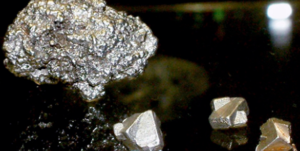
Because of its broad range of applications and limited natural supply, platinum remains one of the most sought-after precious metals in the world. The amount of platinum found within a catalytic converter can vary depending on vehicle type, manufacturer specifications, and emissions requirements.
Get the Most From Your Platinum — Reach Out
Palladium: A Critical Metal for Emission Control
Another important metal commonly found inside catalytic converters is palladium. Over the past several years, palladium has become one of the most valuable precious metals used in automotive manufacturing. Palladium performs a similar function to platinum by helping facilitate chemical reactions that reduce harmful exhaust gases. Due to changing market conditions and technological developments, many manufacturers have increased their reliance on palladium in modern catalytic converter designs.
Its effectiveness, combined with strong global demand, has significantly increased its value in recycling markets. As a result, catalytic converters containing higher palladium concentrations often command greater interest among recyclers and recovery specialists. Because supply and demand continue to influence pricing, palladium remains a major factor in determining overall converter value.
Rhodium: The Rarest and Most Valuable Metal
Among the precious metals commonly recovered from catalytic converters, rhodium is often considered the rarest and most valuable. Rhodium plays a critical role in reducing nitrogen oxide emissions, which are among the most harmful pollutants produced by vehicles. Its exceptional catalytic properties make it highly effective for emission control applications. Unlike platinum and palladium, rhodium is produced in relatively small quantities worldwide. This limited availability, combined with strong industrial demand, often results in substantial market value.
Even though catalytic converters typically contain smaller amounts of rhodium compared to other metals, its high market price can contribute significantly to the overall worth of a converter. For recyclers and recovery specialists, identifying materials that contain rhodium is an important part of maximizing recovery potential.
How Precious Metals Are Recovered Through Recycling
Once a catalytic converter reaches the end of its useful life, the valuable metals inside can still be recovered and reused. This recovery process has become an important part of the recycling industry because it helps reduce waste while supporting sustainable resource management. A professional Platinum Group Metals Recycling Company utilizes specialized processes to identify, analyze, and recover valuable metals from used catalytic converters. Through careful evaluation and advanced recovery methods, recyclers can extract platinum, palladium, and rhodium for future industrial use.
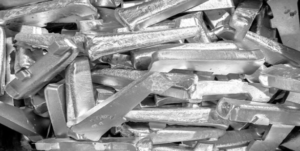
Recycling these metals helps reduce dependence on newly mined materials while keeping valuable resources within the manufacturing supply chain. This contributes to both environmental sustainability and economic efficiency. As recycling technologies continue to improve, recovery rates and processing accuracy have become increasingly sophisticated.
Final Thoughts
Understanding What Metals Are Inside A Catalytic Converter helps explain why these components remain valuable long after their service life has ended. Platinum, palladium, and rhodium each play critical roles in reducing vehicle emissions while contributing significantly to the overall value of catalytic converters. Businesses seeking professional recovery solutions can benefit from working with experienced recycling specialists who understand the complexities of precious metal recovery and evaluation.